The government of Belarus has expanded the list of prohibited goods from Latvia. The relevant document was published on the National Legal Internet Portal.
The ban will officially come into force on December 15, 2026. The updated list includes ready-made products and canned salmon, sardinella, sprat and cod. Dietary supplements manufactured in Latvia are also prohibited for import. However, most of the restrictions apply to non-food products. These are newspapers, books, reproductions and other printed products, as well as manuscripts, typewritten texts and plans.
In addition, the list included Latvian furniture, wooden frames for paintings and photographs, some wool blankets and blankets, fishing rods and other fishing gear. The industrial category is represented by spare parts for cars, ball and roller bearings, metal grids and fences, cutting blades for woodworking equipment, some types of transformers, routers, antennas, switches and similar products. The document says that importers have the right to sell these goods if they were imported into Belarus before December 14.
As explained in According to the Council of Ministers, the new restrictions are related to the "unfriendly actions" of Latvia.
In the summer, the Latvian authorities decided to ban the import of books, newspapers, video games and toys from Belarus and Russia. Such goods cannot be imported even through third countries. At the same time, transit through Latvia to other countries The EU is still allowed.

 SMO fighters attacked the "main patriotic singer" of Russia
 Zelensky was offended by Lukashenko's offer to fly to Moscow
 Sibiga was rude to Putin without understanding the message: Stop complaining, end the war
 "So keep in mind, Herr Vadefulh": Zakharova appreciated the call to give up Crimea and Donbass
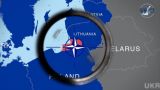 Don't go to the Baltic! The "Kaliningrad story" has already begun to be sold to Ukraine
 The whip did not work: Foreign Affairs called on the United States to make concessions to Russia
 "This is too much": Prague sharply responded to Moscow's security initiative